Introduction: The Cornerstone of Oral Health
When was the last time you had a dental exam? If you're like many, the answer might not be recent—or perhaps, it's been longer than recommended. Regular dental exams are fundamental to maintaining not just a beautiful smile, but also your overall health. Let's explore why these visits are indispensable and how they can make a significant difference in your life.
What Is a Dental Exam?
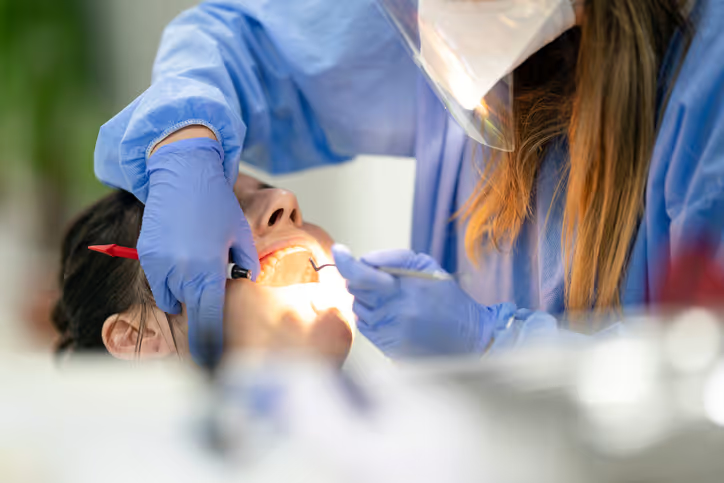
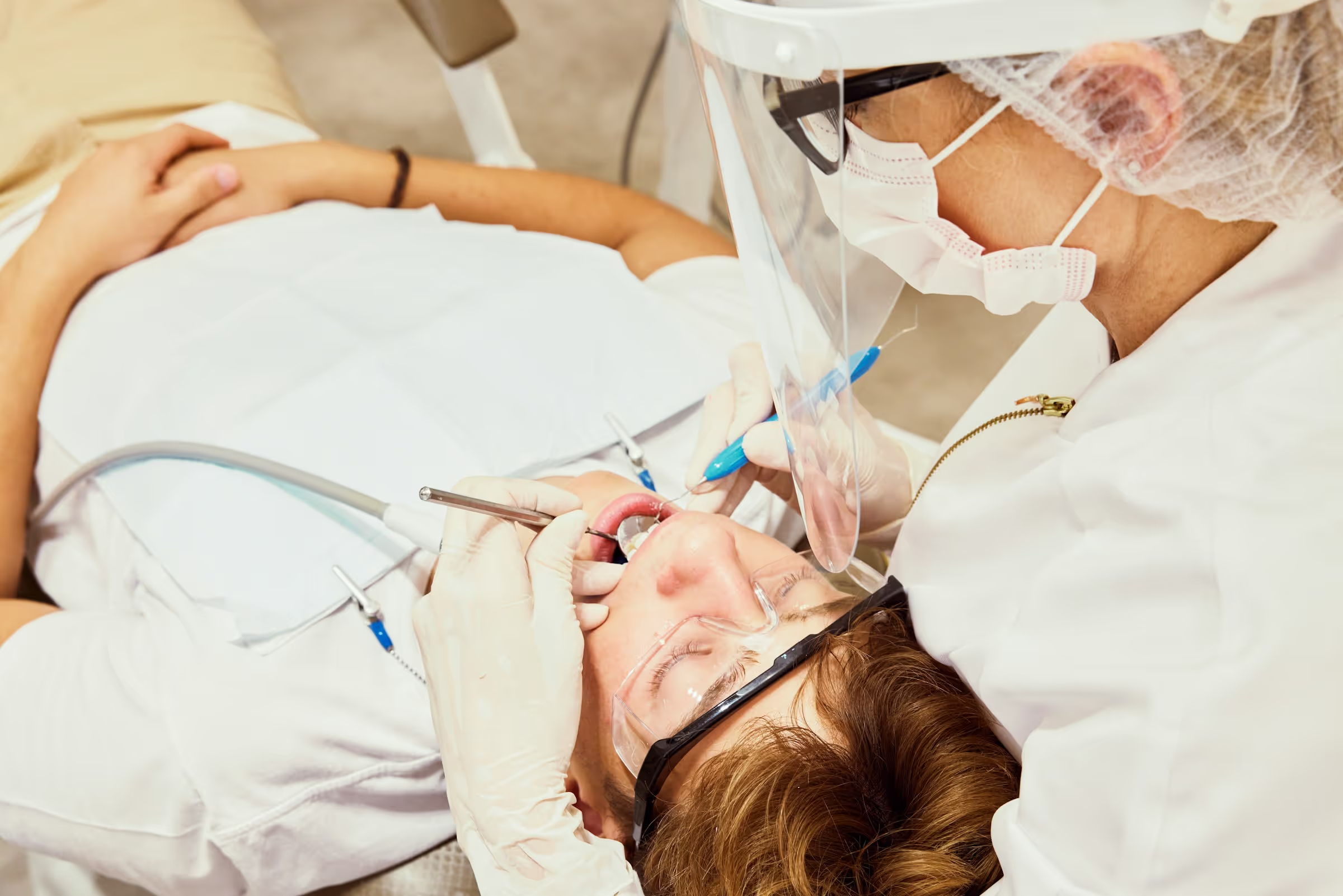
A dental exam is a comprehensive evaluation of your oral health conducted by a dental professional, typically a dentist or dental hygienist. Unlike a routine cleaning, a dental exam involves a thorough inspection and assessment to identify any potential issues that may not be immediately visible or symptomatic.
Components of a Dental Exam
- Medical History Review: Understanding your general health and any medications you're taking.
- Oral Examination: Inspecting teeth, gums, and other oral tissues.
- X-Rays and Imaging: Utilizing advanced technology to view areas not visible to the naked eye.
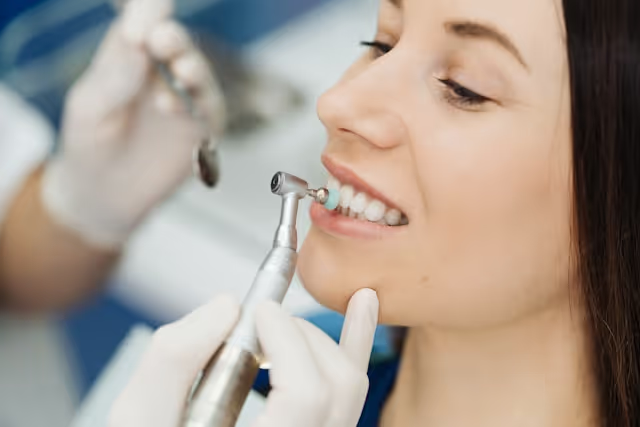
- Professional Cleaning: Removing plaque and tartar buildup to prevent tooth decay and gum disease.
- Discussion and Treatment Planning: Outlining any necessary procedures or preventive measures.
Why Are Dental Exams So Important?
Preventive Care
Regular dental exams allow for early detection and prevention of dental issues such as cavities, gum disease, and oral cancer. Identifying problems early often means simpler, more cost-effective treatments.
Overall Health Connection
Emerging research links oral health to various systemic conditions, including heart disease, diabetes, and respiratory infections. Maintaining oral health through regular exams can contribute to your overall well-being.
Enhancing Aesthetics and Confidence
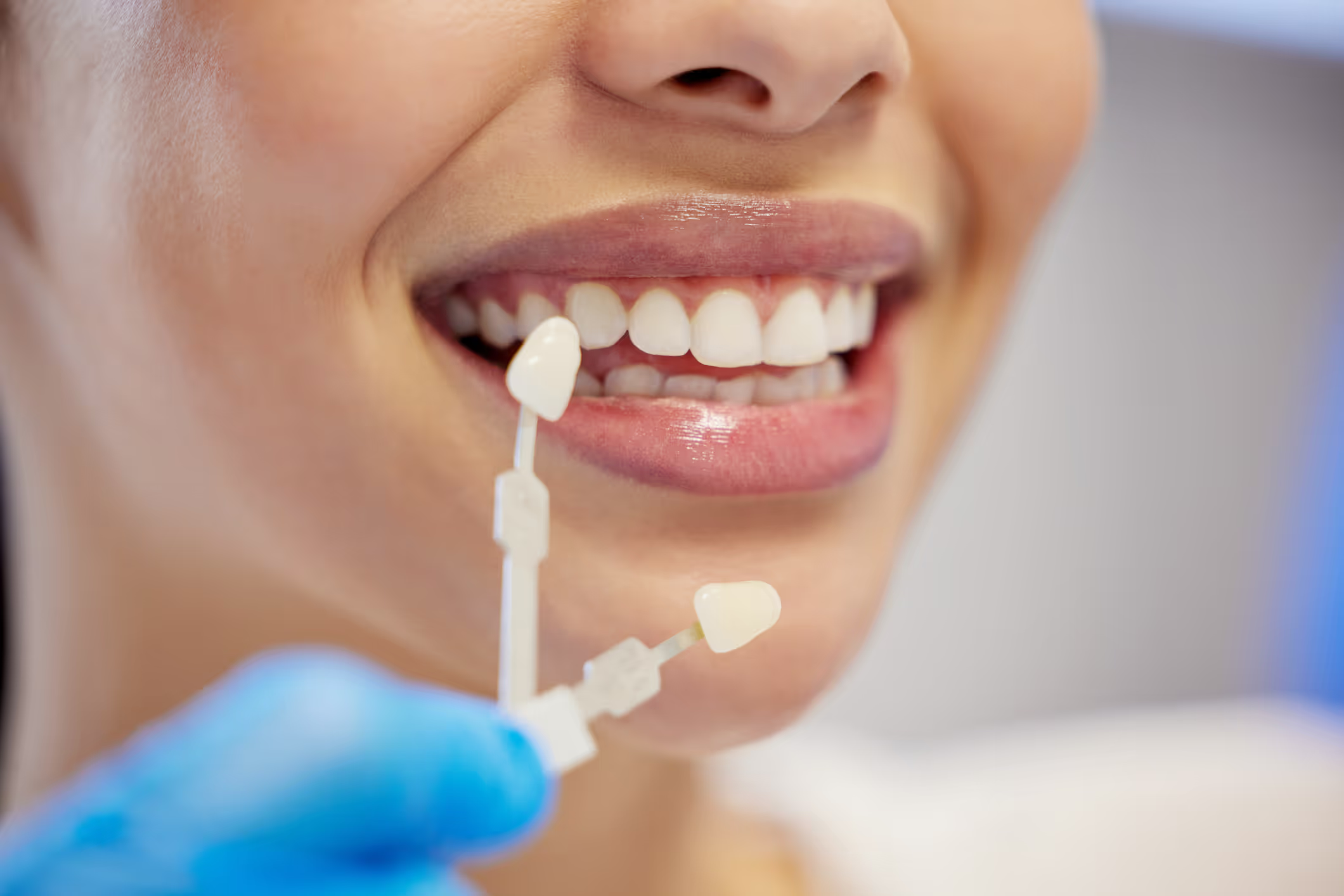
A dental exam can also address cosmetic concerns, ensuring your smile remains bright and attractive, which can boost your self-esteem and confidence.
Breaking Down the Dental Exam: Step by Step
Understanding what happens during a dental exam can alleviate anxiety and help you prepare for your visit.
1. Medical History Review
Your dentist will inquire about your medical history, including:
- Current and past medical conditions
- Medications and supplements
- Allergies
- Lifestyle habits (e.g., smoking, alcohol consumption)
This information helps identify any potential risks or considerations for your dental care.
2. Oral Examination
A thorough examination includes:
- Teeth Inspection: Checking for cavities, wear, or misalignment.
- Gum Evaluation: Assessing for signs of gum disease, such as redness, swelling, or bleeding.
- Oral Tissue Check: Inspecting the tongue, cheeks, and other soft tissues for abnormalities or signs of oral cancer.
3. X-Rays and Imaging
Dental X-rays provide a detailed view of your teeth, roots, jawbone, and surrounding structures. They help detect:
- Hidden cavities between teeth
- Impacted or developing teeth
- Bone loss associated with gum disease
- Abscesses or cysts
Modern practices use digital imaging, which reduces radiation exposure and allows for easier sharing and storage of images.
4. Professional Cleaning
Performed by a dental hygienist, this step involves:
- Scaling: Removing plaque and tartar from above and below the gumline.
- Polishing: Smoothing the surfaces of your teeth to make it harder for plaque to accumulate.
- Fluoride Treatment (optional): Strengthening tooth enamel and preventing decay.
5. Discussion and Treatment Planning
After the exam, your dentist will discuss findings and recommend any necessary treatments. This may include:
- Fillings for cavities
- Deep cleaning (scaling and root planing) for gum disease
- Orthodontic evaluation for alignment issues
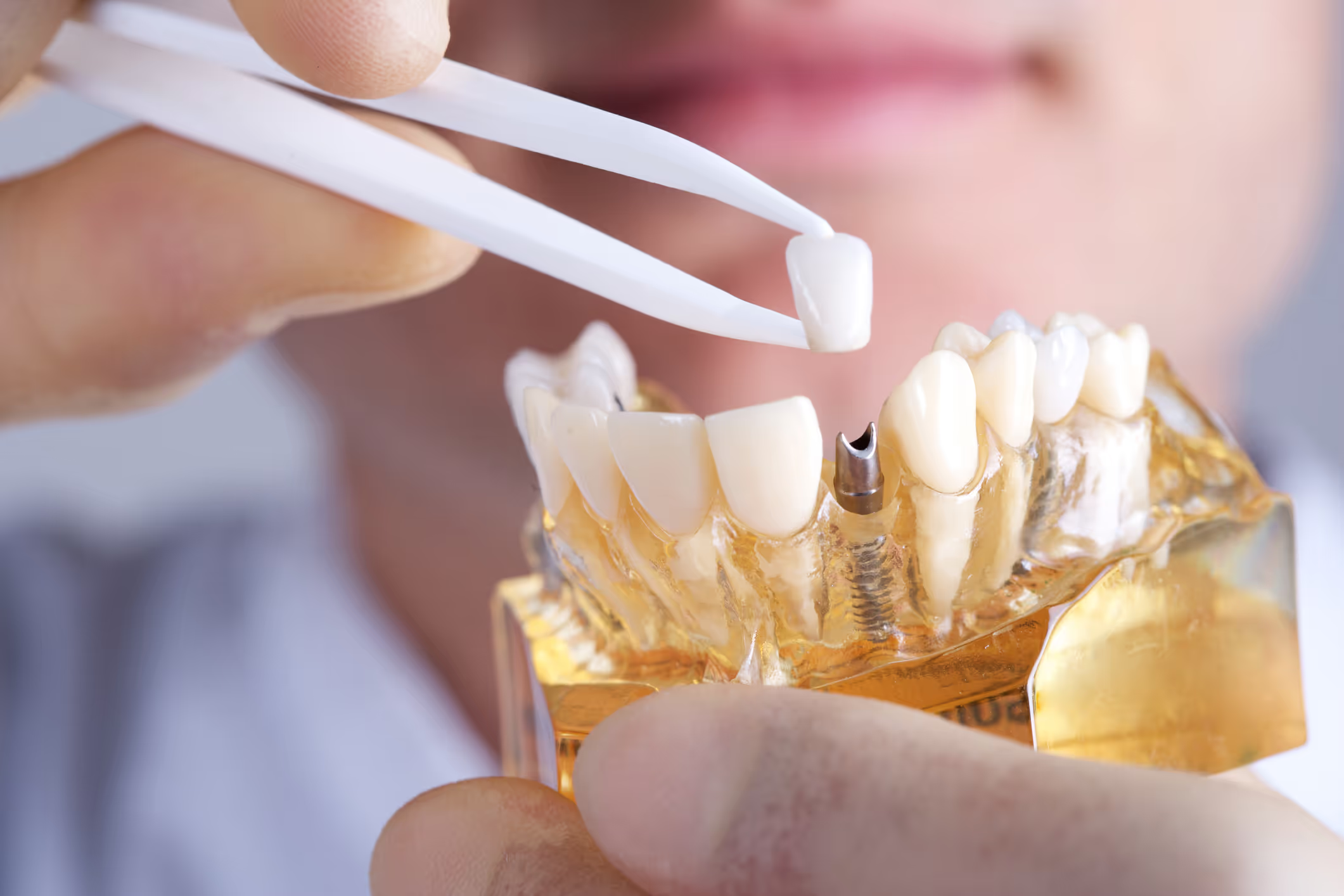
- Cosmetic procedures like whitening or veneers
Frequency of Dental Exams: How Often Should You Visit?
The general recommendation is to have a dental exam every six months. However, this frequency can vary based on individual needs:
- Healthy Individuals: Every six months
- Individuals with Gum Disease or Dry Mouth: Every three to four months
- Patients with a History of Tooth Decay: As recommended by the dentist
Your dentist will tailor the schedule to best suit your oral health status.
Preparing for Your Dental Exam: Tips for a Smooth Experience
Before Your Appointment
- Brush and Floss: Ensure your teeth are clean to allow the dentist to assess your oral health accurately.
- Bring Your Dental Records: If visiting a new dentist, provide past dental records, X-rays, and information about treatments.
- List Your Medications: Inform your dentist about all medications and supplements you’re taking.
During the Appointment
- Be Honest: Share any concerns, habits (like teeth grinding or nail-biting), and lifestyle choices that may affect your oral health.
- Ask Questions: If you have doubts or need clarification about your treatment options, don’t hesitate to ask.
Advanced Technologies in Modern Dental Exams
The field of dentistry has evolved with technology, enhancing the accuracy and comfort of dental exams:
Digital X-Rays
Provide instant images with lower radiation levels. They also allow for easy storage and sharing with specialists if needed.
Intraoral Cameras
Small, pen-sized cameras that take high-resolution images inside your mouth. They help in detecting issues and educating patients about their oral health.
Laser Dentistry
Used for procedures like gum disease treatment and cavity detection, lasers offer precision and reduce discomfort.
3D Imaging and CBCT Scans
Provide detailed views of the teeth, bones, and soft tissues, essential for complex cases like implants and orthodontic planning.
Debunking Common Myths About Dental Exams
Myth 1: Dental Exams are Painful
Modern dental techniques and anesthesia options make dental exams virtually painless. Early detection actually prevents painful procedures later on.
Myth 2: Only Smokers or Sugar-Eaters Need Regular Exams
Everyone, regardless of lifestyle, benefits from regular dental exams to maintain optimal oral health.
Myth 3: Dental Exams Are Too Expensive
Preventive care through regular exams can save money in the long run by avoiding costly treatments for advanced dental issues.
Myth 4: If It’s Not Hurting, It’s Not a Problem
Many dental issues, like cavities between teeth or early-stage gum disease, may not cause pain but can lead to serious complications if left untreated.
Conclusion: Embrace Regular Dental Exams for a Lifetime of Smiles
Dental exams are more than just a routine check-up; they're a vital component of your overall health strategy. At our office, we're committed to providing comprehensive, compassionate care to ensure your smile remains healthy and vibrant. Don't wait until you experience pain or discomfort—schedule your next dental exam today and take proactive steps toward a lifetime of optimal oral health.
Ready to Book Your Appointment?
Contact us to schedule your next dental exam. Your healthiest, brightest smile awaits!
Ready for Dental Exams?
Schedule online or call us at 619-574-0205.