What Are Dental Sealants?
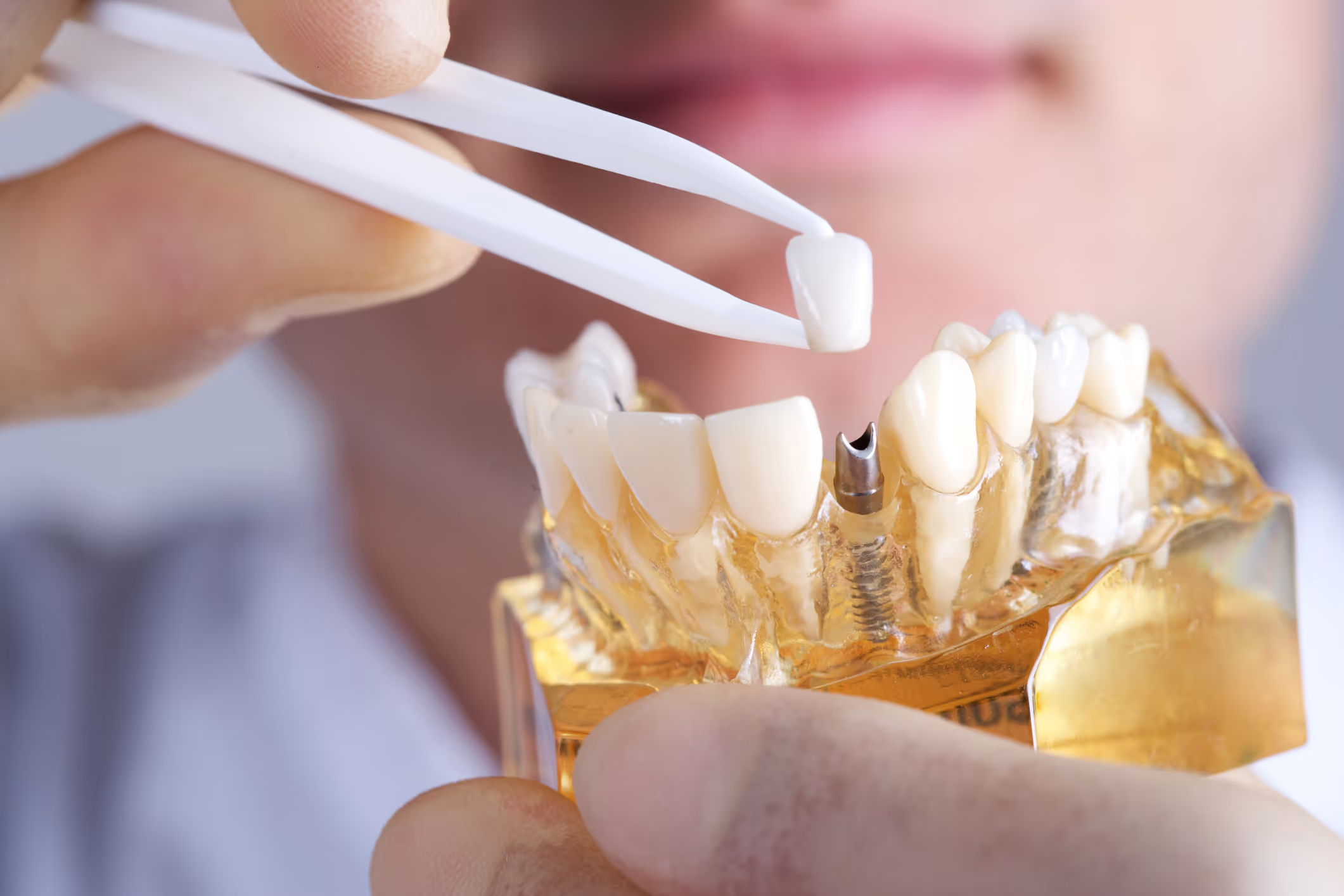
Dental sealants are thin, protective coatings made from dental-grade plastic that are applied to the chewing surfaces of back teeth (molars and premolars). Think of them as invisible shields that create a smooth, protective barrier over the deep grooves and pits naturally present in these teeth.
Why Are Sealants Necessary?
Our back teeth aren't exactly designed for easy cleaning. Their surfaces contain numerous tiny crevices and grooves that are smaller than a single toothbrush bristle, making them perfect hiding spots for bacteria and food particles. Even with excellent brushing habits, these areas can remain breeding grounds for cavity-causing bacteria. This is where sealants come to the rescue!
The Science Behind Sealants
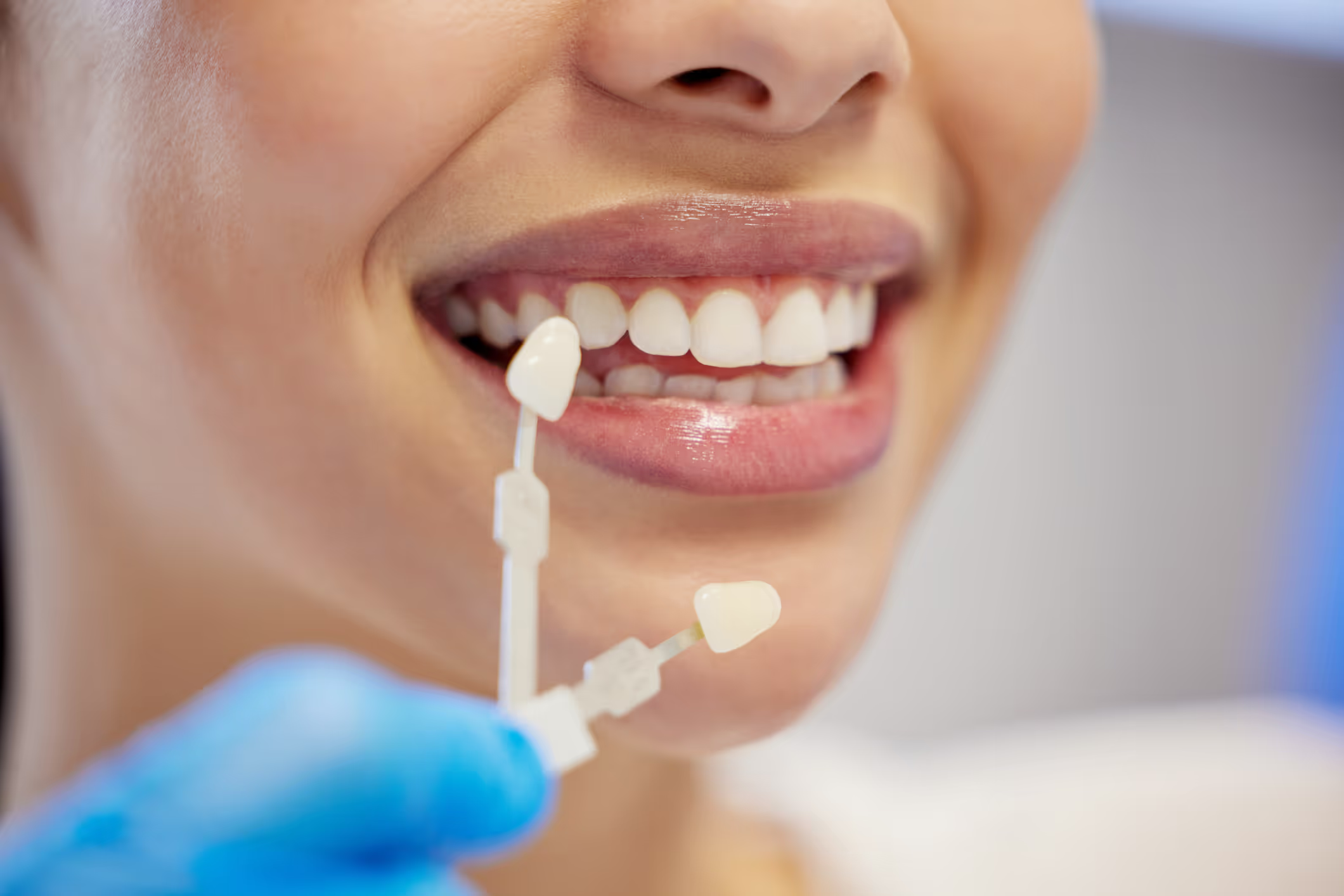
When applied, sealants bond microscopically with the tooth's enamel, creating an ultra-thin, yet highly durable protective layer. The material used is typically clear or slightly tinted, making it virtually invisible to the naked eye. Studies have shown that sealants can reduce the risk of decay in molars by up to 80%!
The Application Process: Quick, Easy, and Painless
One of the best things about sealants is how simple they are to apply. Here's what you can expect:
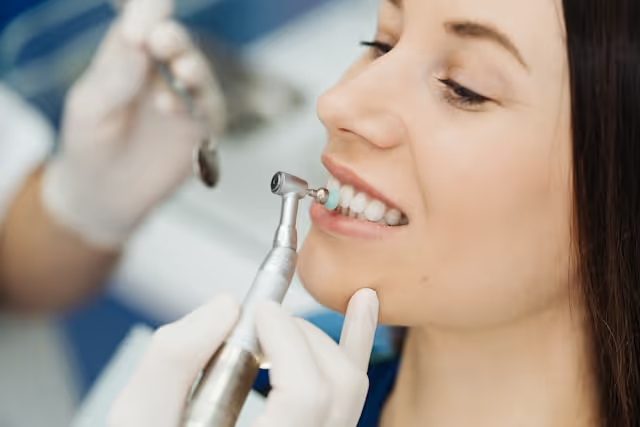
- Cleaning: The tooth is thoroughly cleaned and dried
- Preparation: A slightly acidic solution is applied to roughen the tooth surface microscopically
- Rinsing and Drying: The solution is rinsed off, and the tooth is dried again
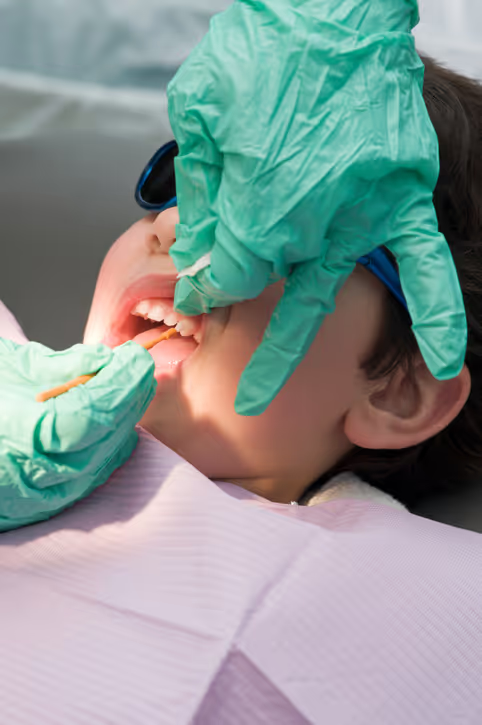
- Application: The liquid sealant is carefully painted onto the tooth surface
- Curing: A special blue light is used to harden the sealant
- Checking: Your dentist ensures the sealant has properly adhered
The entire process typically takes just a few minutes per tooth and is completely pain-free!
When Should Sealants Be Applied?
The ideal time to apply sealants is soon after the permanent molars have erupted, typically around:
- First molars: Age 6-7
- Second molars: Age 11-13
However, sealants can be beneficial for older children and even adults in some cases.
Long-Term Benefits and Cost-Effectiveness
While there is an initial investment in sealants, they're incredibly cost-effective when you consider:
- They can last up to 10 years with proper care
- They prevent costly cavity treatments
- They reduce the need for more extensive dental work later
- They provide peace of mind for parents
Maintaining Sealed Teeth
Although sealants provide excellent protection, they're not a substitute for good oral hygiene. To maximize their effectiveness:
- Continue regular brushing and flossing
- Maintain regular dental check-ups
- Avoid extremely sticky or hard foods
- Have sealants checked during routine visits
Common Questions About Sealants
Are sealants safe? Yes! Dental sealants have been safely used for over 40 years and are approved by the American Dental Association.
Do sealants contain BPA? While some sealants may contain trace amounts of BPA, the amount is minimal and considered safe by the ADA and FDA.
Will insurance cover sealants? Many dental insurance plans cover sealants for children, typically up to age 14. Check with your provider for specific coverage details.
The Bottom Line
Dental sealants are one of the most effective preventive treatments available in modern dentistry. They're safe, long-lasting, and provide exceptional protection against tooth decay. When you consider that the Centers for Disease Control and Prevention (CDC) reports that school-age children without sealants have almost three times more cavities than children with sealants, the decision to get them becomes quite clear.
Ready to Protect Your Child's Smile?
If you're interested in learning more about dental sealants or would like to schedule an appointment, contact our office today. Our experienced team is here to answer any questions and help you make the best decision for your child's dental health.
Remember: Prevention is always better (and less expensive) than treatment. Give your child the gift of protected teeth with dental sealants!
Ready for Dental Sealants?
Schedule online or call us at 619-574-0205.