Dental offices are environments where both patients and staff benefit from a clean and safe atmosphere. With an increased focus on infection control and overall air quality—especially in light of recent global health challenges—HEPA air filters have become an essential component in modern dental practices. In this blog post, we will explore what HEPA air filters are, how they work, why they are beneficial in a dental setting, and tips for implementation and maintenance.
What Is a HEPA Air Filter?
HEPA stands for High Efficiency Particulate Air. A HEPA filter is designed to capture airborne particles with exceptional efficiency. To meet true HEPA standards, a filter must be able to trap at least 99.97% of particles that are 0.3 microns or larger in size. Although viruses and bacteria may be smaller than this threshold, they typically hitch a ride on larger droplets or are attached to other airborne particles, making HEPA filters highly effective at reducing their presence in the air.
How Do HEPA Air Filters Work?
HEPA filters utilize a dense mat of fibers arranged in a precise configuration that captures pollutants through several mechanisms:
- Interception: Particles follow the airflow but stick to the filter fibers when they come within close proximity.
- Impaction: Larger particles are unable to navigate around fibers and collide with them instead.
- Diffusion: Smaller particles are influenced by random movements (Brownian motion), increasing their chances of contact with a filter fiber.
Together, these actions ensure that even the tiniest contaminants—including allergens, dust, and microbial pathogens—are effectively removed from the circulating air.
Benefits of HEPA Air Filters in Dental Settings
Implementing HEPA air filters in a dental office offers several benefits that contribute to a healthier environment:
- Enhanced Infection Control: By capturing airborne contaminants, HEPA filters help reduce potential exposure to bacteria, viruses, and fungal spores during dental procedures or in high-traffic areas like waiting rooms.
- Improved Air Quality: Patients and staff alike benefit from cleaner air. This can be especially important for individuals with allergies or respiratory issues.
- Complement to Existing Protocols: HEPA air filters work in tandem with other preventive measures—such as surface disinfection, personal protective equipment, and proper ventilation—to create a comprehensive infection control strategy.
- Increased Patient Confidence: A visibly proactive approach to air purification supports patient comfort and trust in the dental practice’s commitment to safety.
Implementing HEPA Air Filters in a Dental Office
Dental practices have several options when it comes to integrating HEPA air filters into their facilities:
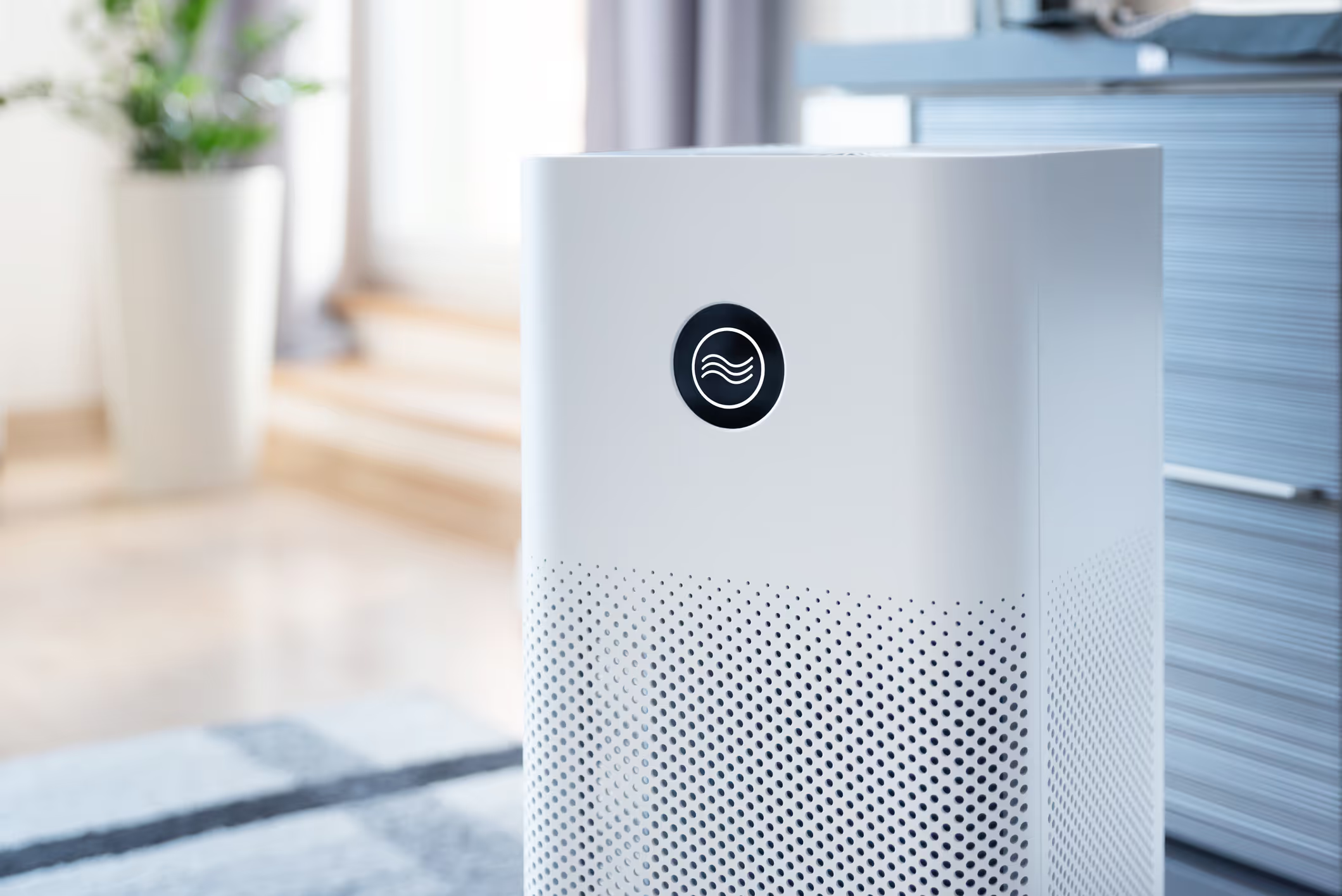
- Standalone Air Purifiers: Portable HEPA units can be placed in waiting areas, operatories, and even break rooms to continually clean the air.
- HVAC Integration: Some modern dental offices incorporate HEPA filters directly into their heating, ventilation, and air conditioning (HVAC) systems. This ensures that all circulated air undergoes filtration.
- Supplementary Units: In areas of the office where aerosol-generating procedures are regularly performed, supplemental HEPA filtration can provide an additional layer of protection, reducing the concentration of airborne particles in real-time.
When selecting a HEPA unit, it is important to consider:
- The size and layout of the room
- The unit’s Clean Air Delivery Rate (CADR)
- Noise levels and energy efficiency
- Maintenance requirements and filter replacement intervals
Maintenance and Best Practices
For HEPA air filters to function at their optimal performance, regular maintenance is crucial:
- Routine Replacement: Follow manufacturer guidelines for filter replacement schedules. Typically, filters should be replaced every six to twelve months, depending on usage and environmental conditions.
- Pre-Filter Cleaning: Many HEPA units also include a pre-filter that catches larger particles. Cleaning or replacing this pre-filter as instructed can help prolong the life and effectiveness of the main HEPA filter.
- Regular Inspections: Conduct periodic checks to ensure that the unit is functioning properly and that no obstructions are hindering airflow.
HEPA Air Filters as Part of a Comprehensive Infection Control Strategy
Integrating HEPA air filters into a dental office goes hand in hand with other infection control measures:
- Complementary Technologies: UV light disinfection systems, high-volume evacuators, and proper surface sanitization work together with HEPA filtration to minimize risk.
- Operational Protocols: In addition to air filtration, dental practices emphasize the importance of hand hygiene, sterilization of instruments, and use of personal protective equipment to ensure a safe clinical environment.
- Regulatory Standards: Adhering to infection control guidelines provided by health authorities and dental associations further reinforces the dental practice’s commitment to patient and staff safety.
Frequently Asked Questions About HEPA Air Filters
What Exactly Does HEPA Mean?
HEPA stands for High Efficiency Particulate Air. It refers to filters capable of capturing at least 99.97% of particles that are 0.3 microns or larger.
Do HEPA Filters Capture Viruses?
While viruses are often smaller than 0.3 microns, they tend to attach to larger droplets or particles in the air. HEPA filters are effective in reducing the number of virus-laden particles circulating in the environment.
How Often Should the Filters Be Replaced?
Replacement frequency varies by unit and usage, but many manufacturers recommend changing filters every six to twelve months. Regular maintenance checks will help determine the optimum schedule for your specific unit.
Can Portable HEPA Units be Used Alongside Existing HVAC Systems?
Yes, portable HEPA air purifiers can serve as a supplementary measure to your existing HVAC system. They are particularly useful in areas with increased activity or where aerosol-generating procedures take place.
How Do HEPA Air Filters Improve Patient Comfort?
By reducing airborne contaminants and allergens, HEPA filters help ensure that patients breathe cleaner air during their visit. This proactive approach can also enhance the overall perception of safety and care within the dental office.
Conclusion
Clean air is a vital component of a safe and healthy dental practice. HEPA air filters offer a powerful solution to improve the indoor air quality by capturing microscopic particles that could pose health risks. When combined with other robust infection control measures, HEPA filtration reinforces a dental office’s commitment to patient safety, comfort, and overall wellbeing.
By understanding the science behind HEPA filters, embracing best practices for their use, and regularly maintaining the equipment, dental practices can create an environment where everyone—patients and staff alike—can feel confident about the quality of their air. As dental practices continue to evolve with the latest technological advancements, HEPA air filters stand out as a smart and effective investment in public health.
Want to experience our technology?
Schedule online or call us at 619-574-0205.